
Hot Water Extraction · Deep Carpet Cleaning · Residential Carpet Cleaning
Unlocking the Secrets of Hot Water Extraction Carpet Cleaning: The Ultimate Guide to Deep Cleaning Your Carpets
Hot Water Extraction (often called “steam cleaning,” even though it uses hot water—not steam) is the gold-standard deep clean for carpets. It lifts embedded soil, reduces allergens, and revives traffic lanes better than surface-level cleaning. This guide explains how it works, what to avoid, and when it makes sense to hire a pro.
Are your carpets looking dull, with stubborn stains or dark traffic lanes? You’re not alone. Carpet fibers hold onto soil, oils, and allergens that normal vacuuming can’t remove. The good news is that Hot Water Extraction Carpet Cleaning (HWEC) is designed to go deep—restoring appearance while improving the “fresh” feel of the home.
Whether you’re a DIY person or you’re comparing methods before hiring a professional, the sections below walk you through how hot water extraction works, why it’s effective, and the common mistakes that cause re-soiling or slow drying.
How Hot Water Extraction Works
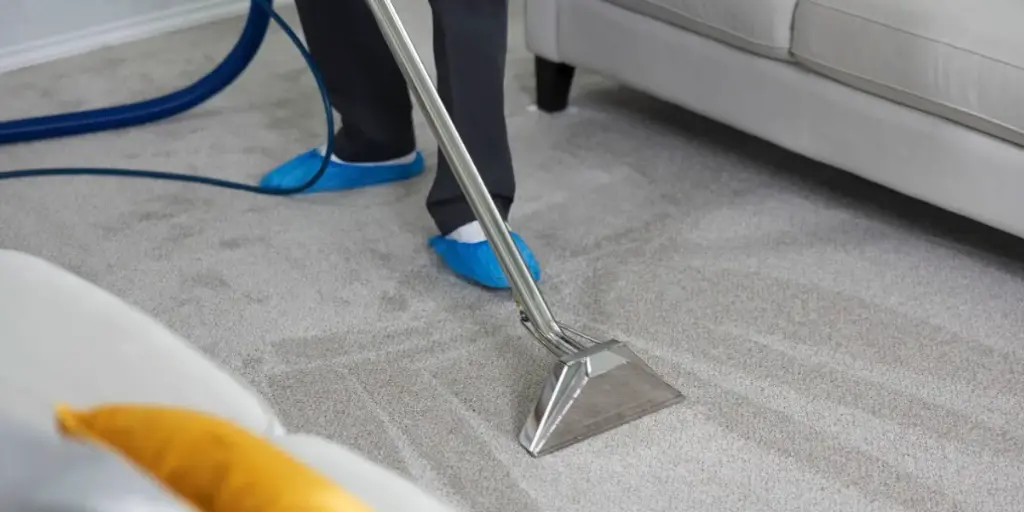
Hot Water Extraction is a deep-clean process that uses hot water mixed with a cleaning solution to penetrate carpet fibers, loosen soil, and then remove it with powerful vacuum extraction. It usually starts with a pre-treatment to break down heavy soil and stains, followed by high-pressure rinsing and extraction.
- Pre-treatment: A targeted solution is applied to loosen grime and help release stains.
- Agitation + hot rinse: Hot water is delivered into the fibers to dissolve embedded soil.
- Powerful extraction: The machine pulls the dirty water back out, reducing residue and odors.
The heat helps break down oils and can reduce bacteria and dust mites. Dry time depends on airflow and humidity, but most carpets should feel “damp,” not soaked, if extraction is done correctly.
Want the “Deep Clean” Result Without the DIY Hassle?
Clean It Best uses hot water extraction with strong dry passes for faster drying, plus targeted pre-treatment for traffic lanes and stains. Great for homes with kids, pets, and high-traffic living areas.
Benefits of Hot Water Extraction for Carpet Cleaning
The biggest advantage is depth. Vacuuming and many “dry” methods handle the surface. Hot water extraction reaches down into the pile to lift what causes dullness, odors, and that gritty feel underfoot.
- Deep soil removal: Pulls embedded dirt and sand from the base of the fibers.
- Improved indoor comfort: Can reduce allergens like pet dander, pollen, and dust mite debris.
- Better stain performance: Pre-treatment + hot rinse helps break down tough spots.
- Residue control: Proper rinsing/extraction reduces sticky residue that attracts re-soiling. If a dark patch returns, compare the likely causes with the Returning Carpet Spots Diagnostic Tree.
Comparing Hot Water Extraction to Other Carpet Cleaning Methods
Different methods can make sense depending on the carpet condition. Here’s the practical comparison:
- Dry cleaning compounds: Faster dry time, but often less effective on deep soil and heavy contamination.
- “Steam cleaning”: Often used as a general term, but true steam can be too aggressive on some fibers. HWEC is more controllable.
- Shampooing: Can clean, but may leave residue if not rinsed properly—leading to faster re-soiling.
If your goal is a true deep clean and a fresher smell—not just “looks better for a week”—hot water extraction is usually the best all-around option.
Choosing the Right Equipment for Hot Water Extraction
For DIY, portable extractors can work well for maintenance. For heavy soil, large areas, or pet urine issues, professional equipment typically delivers higher pressure, hotter rinse, and stronger vacuum recovery.
- Suction power matters: Strong extraction = faster drying + less risk of odor returning.
- Tank capacity: Larger tanks reduce refills and help you keep a consistent process.
- Correct solutions: Use carpet-safe products designed for extraction (especially for pets and traffic lanes).
If you’re dealing with pet urine, consider pairing extraction with an enzyme-based treatment. For that, see our pet odor & urine treatment page.
Step-by-Step Process of Hot Water Extraction Carpet Cleaning
- Vacuum thoroughly: Remove dry soil first—especially sand and grit in traffic lanes.
- Pre-treat stains and heavy areas: Let the product dwell 10–15 minutes as directed.
- Prepare the machine: Use hot water + the correct dilution ratio for your solution.
- Extract slowly with overlapping passes: Consistent pace improves soil removal.
- Do strong dry passes: More “dry strokes” = faster drying and less wick-back.
- Ventilate to dry: Fans + airflow speed drying and help prevent musty odor.
Common Mistakes to Avoid During Hot Water Extraction
- Over-wetting: Too much water means slow drying and higher risk of odor or mildew.
- Skipping pre-vacuuming: Leaves grit behind and reduces the effectiveness of extraction.
- Wrong chemicals: Household cleaners can discolor fibers or leave sticky residue.
- Not extracting enough: Weak dry passes can cause wick-back (stains returning as it dries).
Maintenance Tips for Clean Carpets After Hot Water Extraction
- Vacuum weekly: More often for pets and heavy traffic.
- Blot spills fast: Don’t rub. Blot and treat with carpet-safe spot cleaner.
- Use entry mats: Soil at the door is the #1 source of carpet dullness.
- Schedule deep cleaning: Typically every 12–18 months (more often with pets/kids).
If your main issue is odor, urine, or repeat marking, pair your next cleaning with a targeted treatment: Pet Odor Removal.
Professional Hot Water Extraction Services vs. DIY
DIY extraction is great for maintenance and smaller areas. Professional hot water extraction tends to win when carpets are heavily soiled, when traffic lanes are dark, or when you’re fighting odors that keep returning.
- Professional advantages: stronger vacuum recovery, better heat stability, and proven stain/odor protocols.
- DIY advantages: lower cost and flexibility for small touch-ups.
If you want an accurate quote quickly, start with our pricing page or book a slot online: Pricing · Online Booking
Final Thoughts on Carpet Care
Hot water extraction is one of the most effective ways to restore carpets, reduce allergens, and remove deep soil that regular vacuuming can’t touch. With the right tools and technique, you can get strong results at home—and when you need the best possible outcome, professional service is often the fastest path.
Ready to refresh your carpets in Metro Detroit and Downriver? Clean It Best provides residential carpet cleaning with hot water extraction and add-ons for stains and pet odor.