
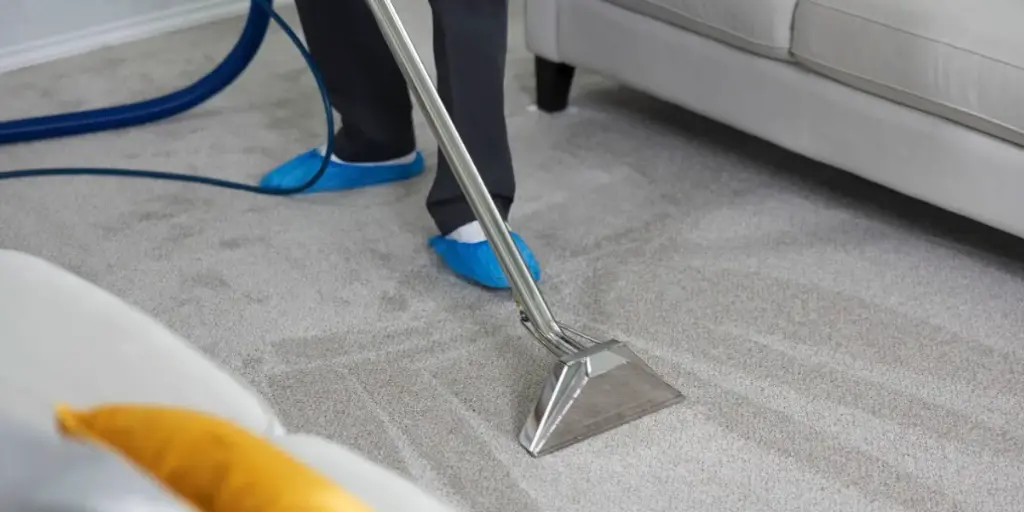
Allergy-conscious carpet care source guide
Can Carpet Cleaning Help With Allergies?
Carpet cleaning may remove some settled dust, soil and particles from carpet fibers. It can be one part of household care, but it is not a medical treatment and cannot guarantee allergy relief.
Start with the right expectations
Dust and particles can settle in carpet, upholstery and other surfaces. Removing soil is a practical cleaning goal. Whether a person feels better depends on their actual triggers, exposure and health needs.
A cleaning goal
Discuss visible soil, tracked-in debris, suitable products and drying. Ask what the service includes and what the carpet can reasonably tolerate.
A health question
Let a qualified healthcare professional help identify relevant triggers. Carpet appearance, odor and a cleaning checklist cannot diagnose an allergy or measure asthma control.
A whole-room plan
Consider bedding, upholstered furniture, entryways and moisture alongside the carpet. One cleaning appointment cannot control every source in a home.
What the evidence supports: NHLBI describes limited evidence for indoor allergen interventions improving asthma outcomes overall. Its guidance conditionally supports targeted, combined measures when symptoms relate to identified indoor allergens, rather than assuming a single measure will help everyone. Review the NHLBI clinician guide, Indoor Allergen Mitigation, with your healthcare professional.
What the sources say, and how to use them
These public sources address indoor exposures and asthma management. They do not certify Clean It Best’s service or establish a guaranteed health benefit from professional carpet cleaning.
| Topic | Source guidance | Practical use and limit |
|---|---|---|
| Dust and vacuuming | CDC asthma guidance includes regular vacuuming with HEPA filtration among dust-mite exposure measures. | Check the vacuum’s instructions, filter fit and maintenance. Do not assume a professional cleaner uses a particular vacuum or filtration system; ask. |
| Cleaning around sensitive people | EPA trigger guidance advises people with allergies or asthma to leave the area being vacuumed. | Plan who uses the room while work happens. Arrange access and re-entry with the cleaner; a clock alone does not establish safe conditions for an individual. |
| Moisture | CDC recommends managing indoor humidity, fixing leaks and promptly drying wet materials. | A hygrometer can help track relative humidity; CDC gives about 30% to 50% as a useful range. A reading does not rule out hidden dampness or mold. |
| Settled dust and other surfaces | EPA’s biological contaminants guide describes dust as a reservoir and recommends attention to entry dirt, furnishings and routine cleaning. | Use entry mats, remove tracked-in soil and include other textiles in maintenance. Complete removal of biological material is not a realistic household goal. |
| Health outcomes | NHLBI’s clinician guide emphasizes an individual’s sensitization and exposure history when considering allergen mitigation. | Use cleaning as a maintenance decision. Do not treat a freshly cleaned carpet as evidence that an asthma or allergy treatment plan can change. |
Build your household carpet care checklist
Choose maintenance preferences to create a copyable, printable worksheet. This tool does not ask for diagnoses, score health risk or set a medical cleaning schedule.
Your care worksheet
Update the choices, then build a fresh checklist. Keep personal health details out of this worksheet.
Choose your preferences, then select Build my checklist.
Plan the appointment around the carpet and household
Before the visit
Share the carpet’s fiber or manufacturer information if you have it. Discuss prior treatments, product preferences and access. Ask what vacuuming, soil removal and extraction steps are included.
Read about our hot water extraction process and residential service scope.
Products and room use
Request the proposed product names and use instructions. Confirm available fragrance options before booking. Do not mix cleaning products or add household chemicals to a freshly treated carpet.
EPA discusses chemical irritants and ventilation in its asthma trigger guidance. Outdoor pollen or poor air quality can affect whether opening windows is appropriate.
Drying and follow-up
Ask how the technician will manage drying and when normal room use can resume. Follow the carpet and product instructions. Contact the cleaner if drying is not progressing as expected.
See our carpet drying guide. Drying time varies with conditions.
Damp or musty carpet needs a different first step
Investigate a moisture concern before scheduling routine cleaning. A leak, persistent dampness or suspected mold can require assessment of the carpet, backing, pad and surrounding materials. An ordinary carpet cleaning is not mold remediation. Follow CDC guidance on moisture and mold and seek an appropriately qualified professional when needed.
Keep maintenance practical
Track the work you can verify
Keep manufacturer instructions, service dates, product information and observations about carpet condition. Use our carpet cleaning frequency planner and cleaning records checklist to organize care. They do not predict allergy symptoms.
Include other service needs
For fabric furniture, review our upholstery cleaning service. For a pet accident, see pet odor removal scope. Pet odor treatment and allergen management are different questions.
Allergy-conscious carpet care questions
Can professional carpet cleaning cure allergies?
No. Cleaning may remove some settled particles and soil from carpet, but it is not a medical treatment and does not guarantee symptom relief. Follow a qualified healthcare professional’s advice about allergy testing, asthma management and your individual triggers.
Is HEPA vacuuming the same as professional carpet cleaning?
No. HEPA describes a type of filtration used in a vacuum or air cleaner. Vacuuming and professional carpet cleaning do different jobs. Ask how the vacuum is filtered and maintained, which cleaning method suits the carpet, and how drying will be managed.
Do I have to remove my carpet if someone has allergies?
There is no universal answer for every household. Discuss confirmed triggers and symptoms with a qualified healthcare professional. Persistent moisture, suspected mold, carpet condition, maintenance feasibility and the whole room should inform any flooring decision.
Does a fresh scent mean the carpet is healthier?
No. Scent is not a measure of allergen removal or indoor air quality. Tell the cleaner about product and fragrance preferences before the appointment and ask what options are available.
How often should I schedule professional cleaning?
Use the carpet manufacturer’s care requirements, warranty terms, traffic and observed condition to plan maintenance. A generic cleaning interval cannot promise allergy relief. Our frequency planner helps organize maintenance timing, while a clinician can advise on health-related concerns.
Should damp or musty carpet receive an ordinary cleaning?
Persistent dampness, a leak, suspected mold or a recurring musty odor calls for a moisture assessment before routine cleaning. The moisture source and the affected materials need appropriate evaluation. An ordinary cleaning appointment is not mold remediation or a safety clearance.
Sources and review notes
Source review: September 6, 2026. Prepared by Clean It Best for household maintenance planning. Health guidance comes from the sources below; this page has not been presented as a clinician-reviewed medical resource.
- CDC: Controlling Asthma. Indoor triggers, dust mites and moisture.
- EPA: Asthma Triggers, Gain Control. Exposure reduction and cleaning considerations.
- EPA: Biological Contaminants and Indoor Air Quality. Household dust, source control and maintenance.
- NHLBI: 2020 Focused Updates to the Asthma Management Guidelines, Clinician’s Guide. See Indoor Allergen Mitigation on printed page 6.
Sources support the specific statements linked to them. They are not endorsements of a cleaning company, product or appointment interval.
Discuss a routine cleaning plan
Tell us about the carpet condition and product preferences before your visit. Review our published pricing and service areas for Metro Detroit and Downriver.